Why do women feel so blimmin’ guilty when we do anything for ourselves?
Trick question. We already know why.
Social conditioning is a great teacher. We’ve been trained to believe self-sacrifice is a virtue – putting everyone else first makes us “good people”. It’s such a regularly repeated, deeply ingrained concept that even a Sunday in front of Netflix comes with an unhealthy serving of self-criticism. We know. We both indulged last weekend… Then confessed to each other first thing Monday morning.
Clock the word ‘indulged’? It’s one of the labels we apply to prioritising ourselves. There are plenty more: Extravagant, lazy, irresponsible, selfish, inconsiderate, frivolous, needy… Yes, even our language reinforces the guilt.
You are a priority
Most of us are too busy looking out for everyone else’s needs to question why we neglect our own. Instead, we reinforce the ‘martyr mindset’ (because that’s what it is), claiming we don’t have time to do anything for ourselves.
We hear versions of this almost every time we talk to Powrsuiters: High-achieving, capable women who spend their days organising families, teams and social lives, but can’t fathom the idea of devoting any of their own energy to themselves.
When we spot a pattern of behaviour that doesn’t serve us, we get to work. So, here’s our case for replacing self-sacrifice with self-care – and yes, we’ll also start practising what we preach.
Self-care is self-empowerment
Let’s start with a mindset shift. You might be surprised to learn that the history of self-care is completely devoid of day spas, beauty products and scented candles.
The label first emerged in the 1950s as a medical concept, encouraging patients to take an active role in managing long-term health conditions. Self-care was considered a serious intervention that improved recovery and resilience.
Then, during the US Civil Rights movement, activists transformed self-care into a political act. With the odds – and systems – stacked against them, protecting physical and mental well-being was considered an essential part of sustaining the fight for justice. Yes, Rosa Parks was a yogi.
In the height of the AIDS crisis, self-care became an act of survival and defiance in the face of official inaction. As activist Dan Savage put it: “We buried our friends in the morning, we protested in the afternoon, and we danced all night. The dance kept us in the fight because it was the dance we were fighting for.”
Powrsuit expert Rachael Fitzjohn often reminds us to ‘put your own oxygen mask on first’. For people at the forefront of change, self-care has been that oxygen mask.
Ignore the billion-dollar business
Sure, as with all great things, the concept quickly became commercialised. It got pinked and shrinked and sold back to us as something frivolous.
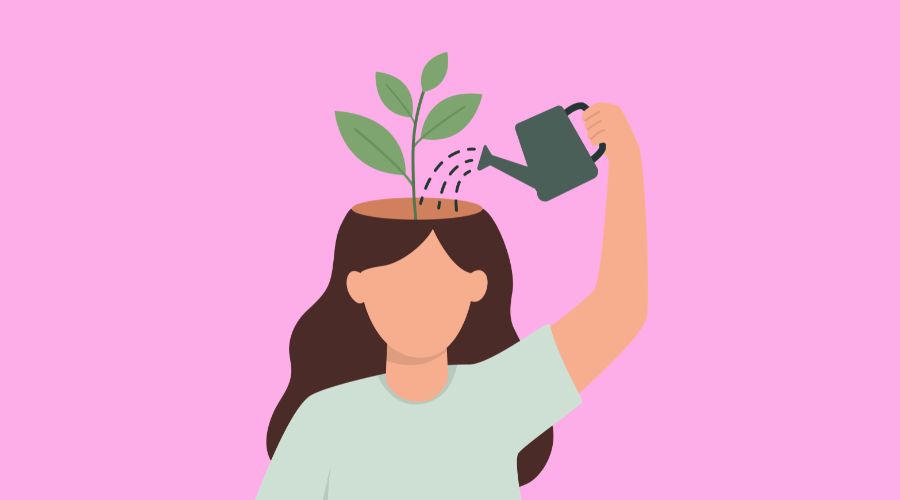
But while bubble baths and face masks are some of the wonderful ways we can look after ourselves, self-care goes much deeper. It’s about keeping our brains and bodies healthy so we can perform at our best.
It’s rewiring our brains to believe that self-sacrifice isn’t a virtue – it’s just a shortcut to burnout.
Look, we know you’re not going to immediately walk away from all your responsibilities, that’s not what this is about. It’s about confronting our limiting beliefs about self-sacrifice and starting to embrace self-care as the fuel that keeps us moving forward. Here’s how to start investing in it:
1. Think about what you enjoy
Start with a simple question: “What do I enjoy doing?” and let the ideas flow. Here’s some to get you started, but it could be as simple as flicking through a magazine or working your way through a puzzle. If thinking about your own needs is enough to spark guilt, take a minute to examine why.
2. Give yourself permission
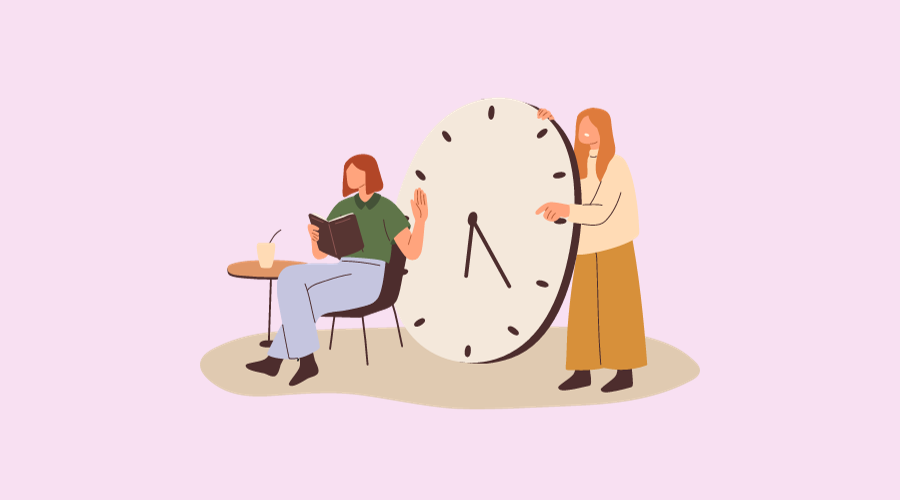
Women are conditioned to seek permission, but we need to learn to give it to ourselves. You can protect 5 minutes, 30 minutes or 5 hours this week, but it’s up to you to do it. You might find time right after washing the dishes, when the kids go to bed, or first thing in the morning while the house is still quiet. It could be enforcing a lunch break or blocking out work time for professional development. It just needs to be uninterrupted and without distractions.
Struggling? Your thinking may be shaped by the gendered nature of leisure. Traditionally, hobbies dominated by men have happened outside the home – hours spent golfing, cycling, fishing or watching sport. While women’s “downtime” has historically fit in around domestic responsibilities. If you’re looking at a full schedule and wondering how to carve out a gap, remember: if someone else in your household gets off-duty time, you deserve it too.
3. Do the thing
Invest time in yourself – even just a short block. If you get interrupted, remind yourself that this time is fuel, make necessary tweaks and reset the clock.
Self-sacrifice might be a deeply ingrained social norm, but it’s absolutely not a virtue. It just keeps us stuck in a cycle of busyness that serves no one. So join us to normalise taking time for self-care – even if it’s just spending Sunday on the couch. 📺
30 second action:
Identify one thing you enjoy doing that you’ve neglected for a while.
Was this helpful?
YesNo
You may also like...
Need an energy boost? We got you. Here's our inexhaustive guide to the different ways we drain our energy, as well as top tips for recharging.
Procrastination: Stop stalling, start doing We all put off important stuff, even though we know it’ll come back to bite us. We all do it, we’re all aware we do it, and we all seem unable to kick the habit despite knowing how irrational it…
Why we need you to keep going If you, like us, have had an unexpected setback, take a breath, focus on your next step and join us in our mantra: Just keep going.
Girls have gravitas, too Why your ideas fall on deaf ears (until a man repeats them), and what you can do about it... Hint: It's about gravitas.
Get bite-sized career development, straight to your inbox
Bite-sized career development, straight to your inbox