Picture this: You’ve just opened an email from your infamously pass agg colleague. As soon as you see the words ‘as per’, your blood starts to boil. You tap out an equally snarky response, hit send… And immediately wish you hadn’t.
Yep, we’ve all been there; reacting in the moment and regretting it later. It’s not just an email issue – many of us do the same with disagreements, problem-solving and feedback.
Reacting: Fast, emotional, instinctive
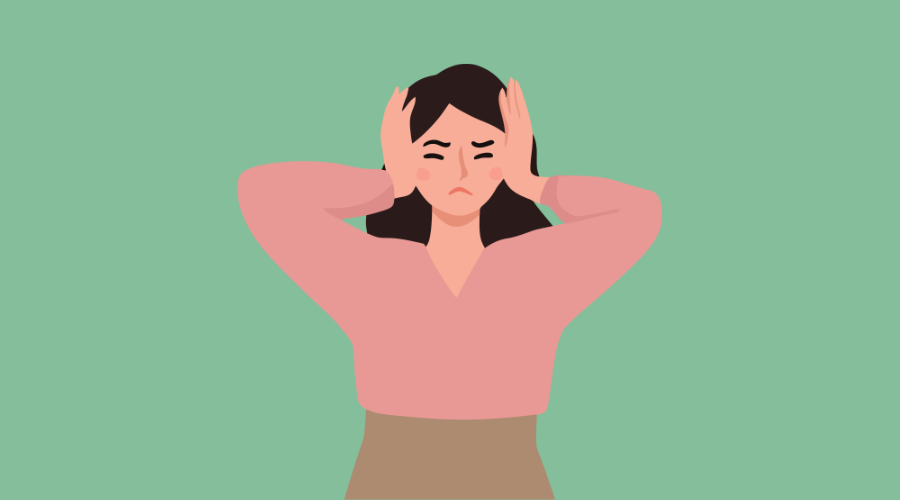
There’s good reason for this instant reaction. It’s a product of our survival system – yep, our old friend the amygdala. It may be small, but this almond-sized section of brain matter is mighty. Its job is to kick in when we’re in danger – taking control of our bodies in what’s called an ‘amygdala hijack’.
And ‘hijack’ is a good label. Most of us have experienced a fight, flight, or freeze response. We don’t consciously decide how we react when a door slams; our bodies react instinctively – that’s because our amygdala has taken over.
That exact same instinct is what causes us to fire off regrettable emails. That’s because when we react, we prioritise protection – defending, deflecting, and doubling down. And while that might feel satisfying in the moment, it usually leaves a mess for our conscious brains to clean up.
Protection we don’t need
The amygdala is always learning. It uses past experiences to identify danger so it can jump into action next time. That’s great when it comes to physical threats, but not so much when it hones a fear of failure or rejection. Yup, if you processed that last piece of feedback as ‘unsafe’, your wee almond is going to jump in and ‘protect’ you next time.
That means our survival systems take control at inopportune moments. Cue: an instinctual protective reaction in the exact moment you need to showcase your professionalism. We find ourselves defending our work (or ourselves), resisting change, focusing on the downside and playing a starring role in the drama triangle.
Our brains may be trying to keep us safe, but they’re actually eroding trust in our ability to operate strategically or under pressure.
Responding: Thoughtful, deliberate, effective
While we can’t fight our instincts, we can work with them. And it’s actually pretty simple.
We’ve all been advised to sit on a spicy email overnight before hitting send. That’s because when our amygdala jump in, they skip the usual steps our brains use to process information. Remember, their job is to act instinctively – protecting us from immediate danger.
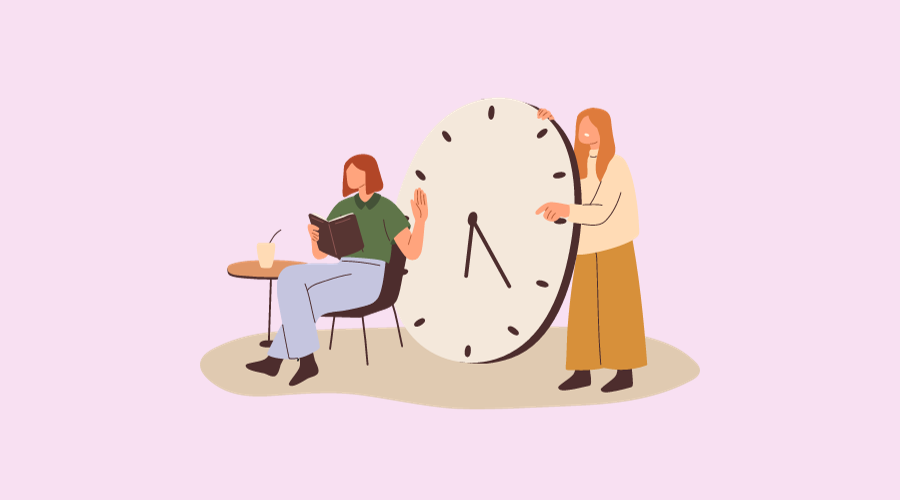
So a pause is incredibly powerful. It gives us time to move out of reactive mode and take back control of our behaviour. We may still feel big emotions, but we’re no longer ruled by them.
An intentional response is calm and curious. We listen to understand, ask better questions and consider the wider context before taking action.
Ultimately, we make better decisions.
Embracing the micro-pause
How do we put this theory into action? Start by noticing the signals your body is sending you. That spike of heat, tightening of the jaw, or urge to interrupt and defend our position – these are all cues that our amygdala is on high alert, ready to take over.
So pause.
Count to five, take a sip of water, jot down a note, or excuse yourself to go to the bathroom. Give yourself just long enough for your rational brain to come back online.
A simple question to ask during the pause: What emotions am I feeling right now? There are a huge number of them, and trying to put your finger on exactly how you’re feeling can help you break out of reactive mode.
Once your heart rate has slowed, choose your next best step: Ask a question or request more time to think. A short delay takes far less time and effort than picking up the pieces of a fast reaction.
30 second action:
Practice subtly pausing for 5 deep breaths during a meeting (even if you don’t need to).
Weekly leadership insights, straight to your inbox
You’ll get one article, insights from the web, a recommended book and podcast, upcoming events, and a 30-second action.
Was this helpful?
YesNo
You may also like...
Losing your cool? Take a beat. A pause is incredibly powerful. It gives us time to move out of reactive mode and take back control of our behaviour.
Procrastination: Stop stalling, start doing We all put off important stuff, even though we know it’ll come back to bite us. We all do it, we’re all aware we do it, and we all seem unable to kick the habit despite knowing how irrational it…
Email etiquette at work: 20 best practices When it comes to email, etiquette has wide implications, with countless hours wasted through poor communication. We've pulled out the worst offenders.
Get bite-sized career development, straight to your inbox
Bite-sized career development, straight to your inbox